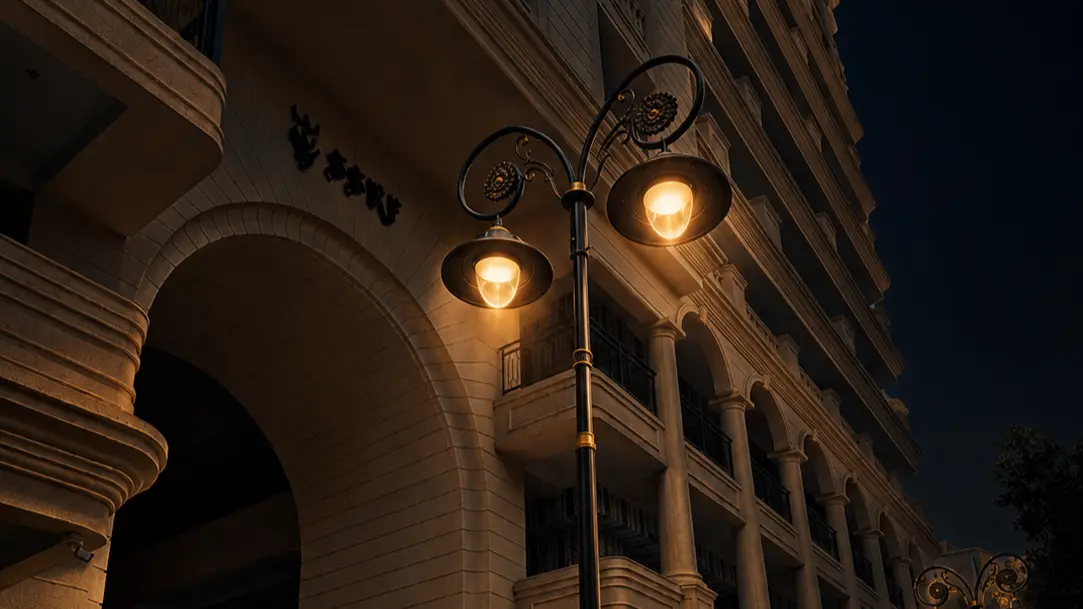
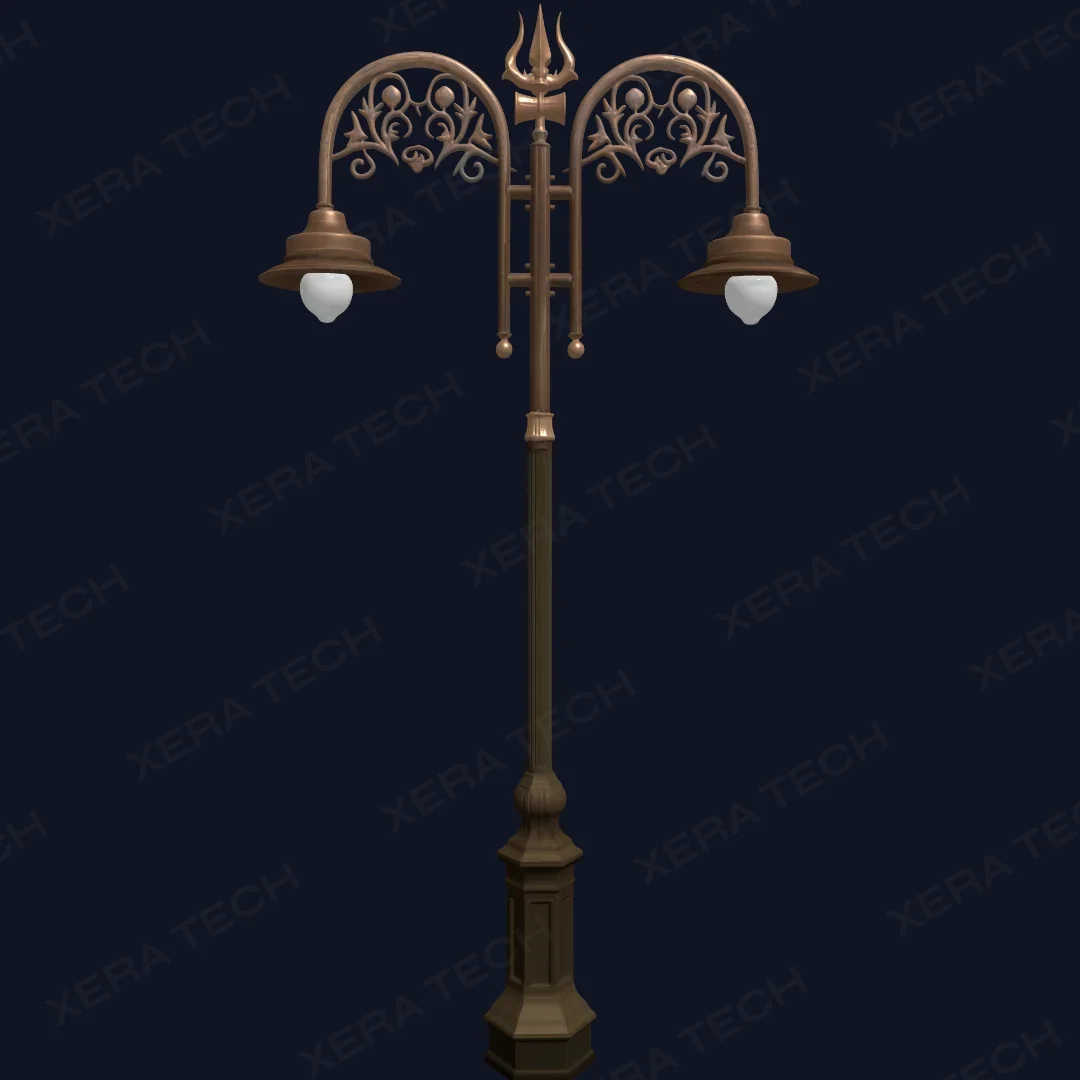
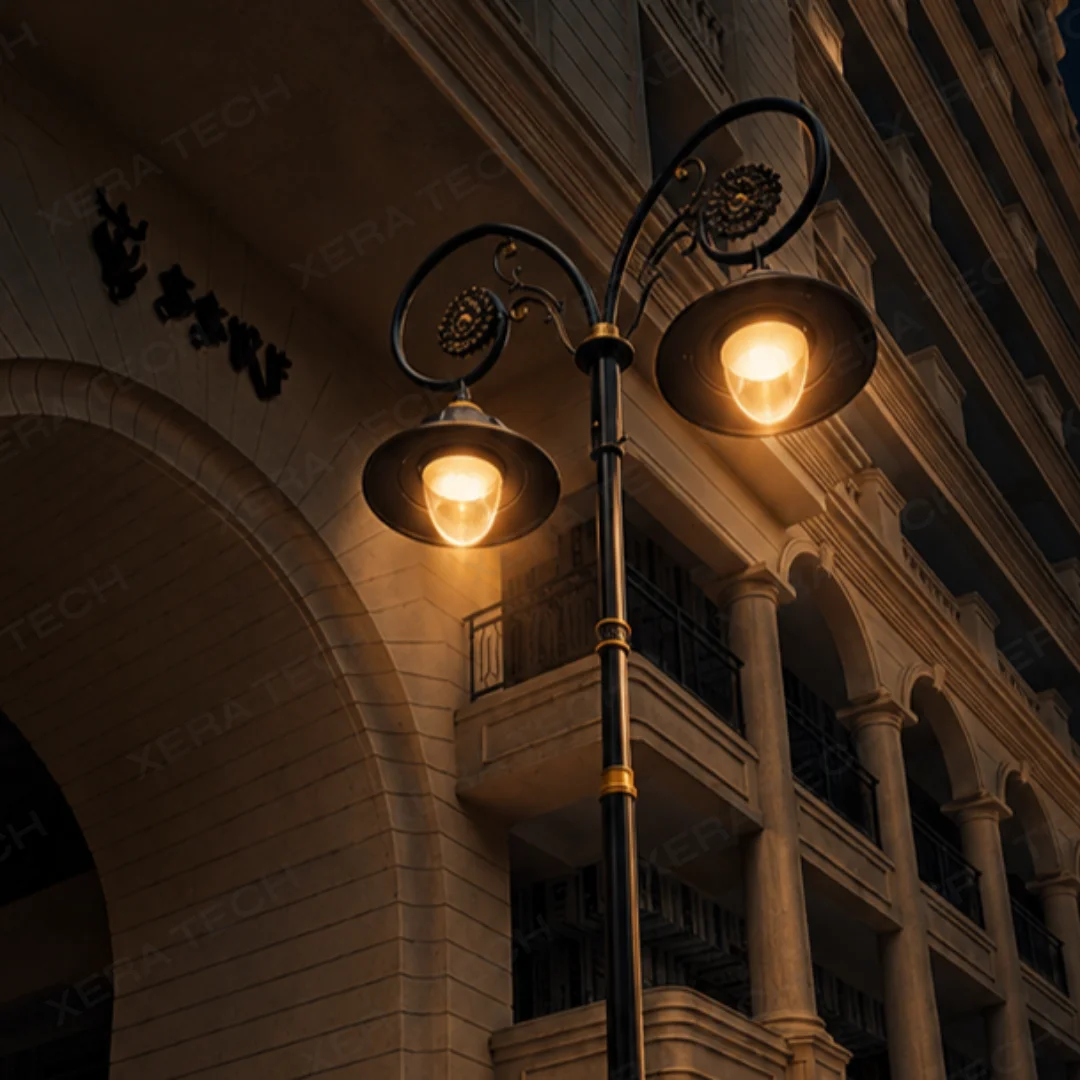
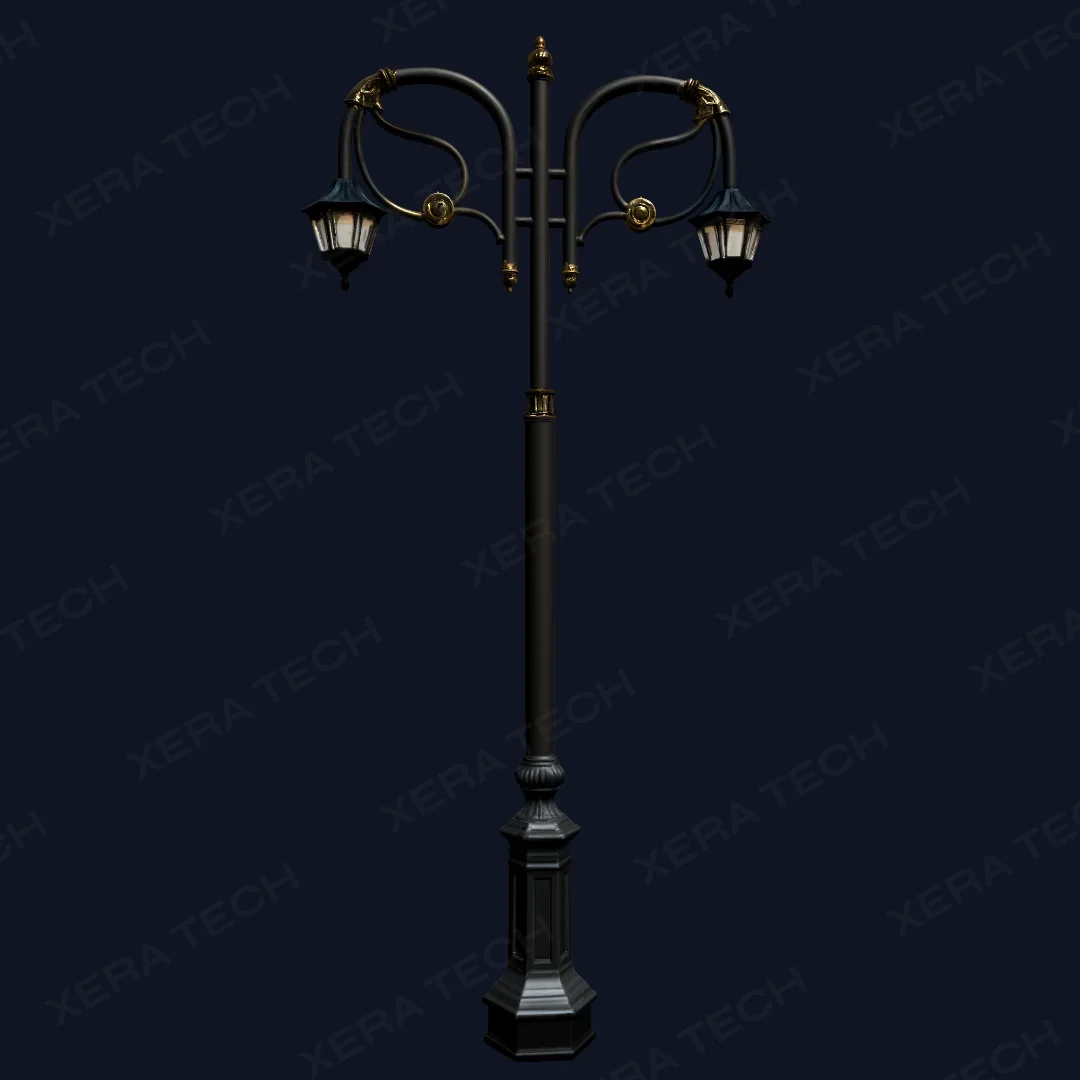
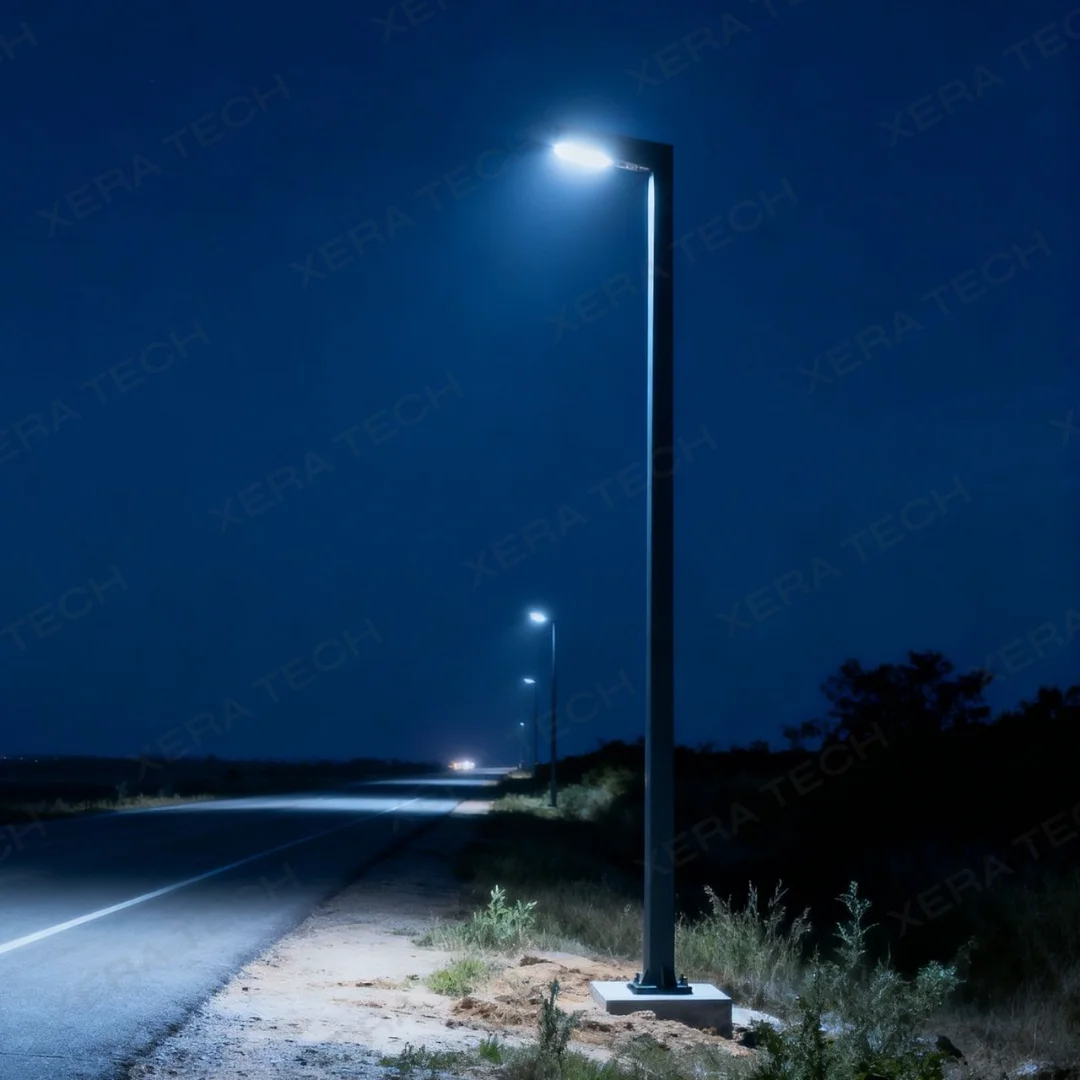
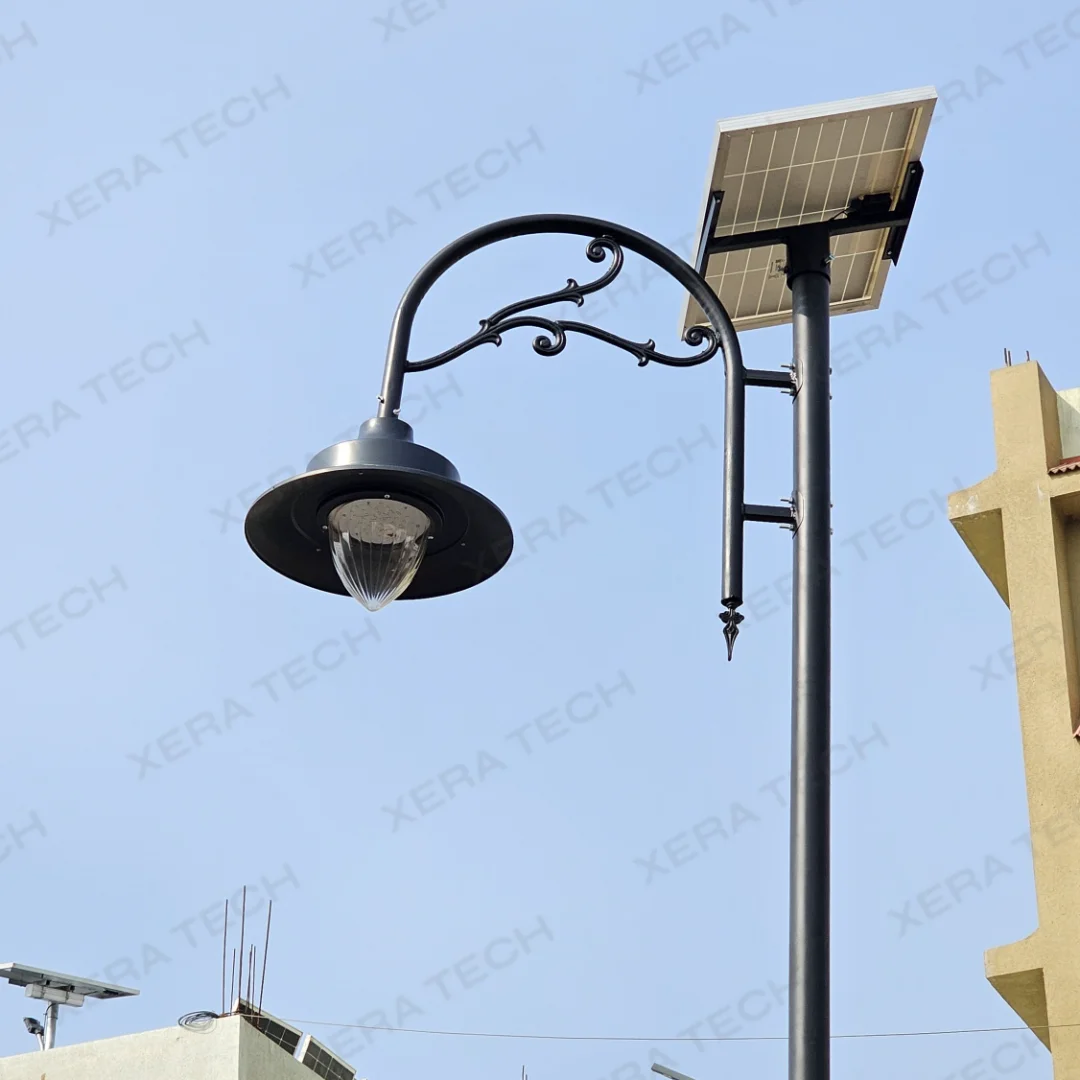
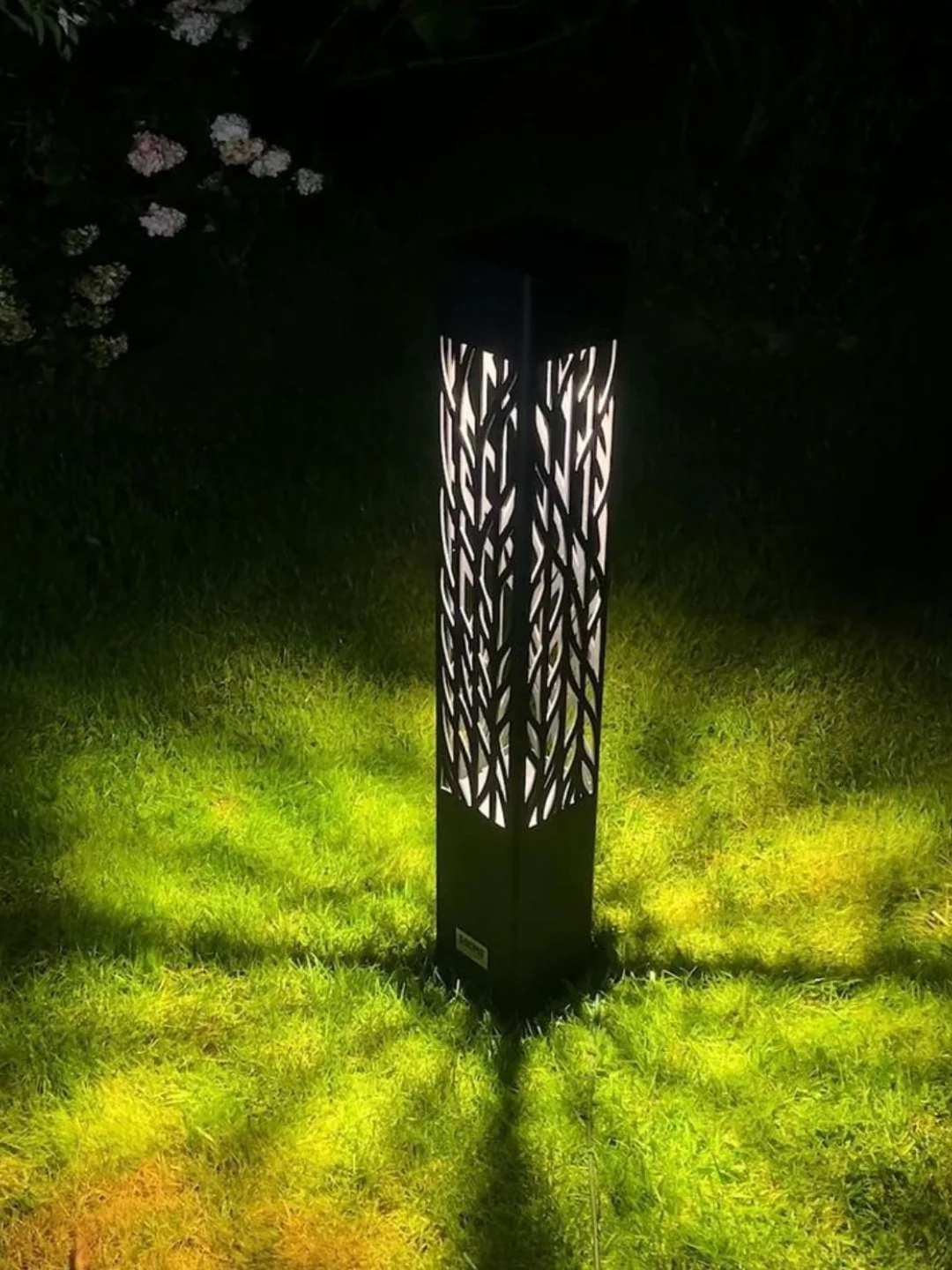
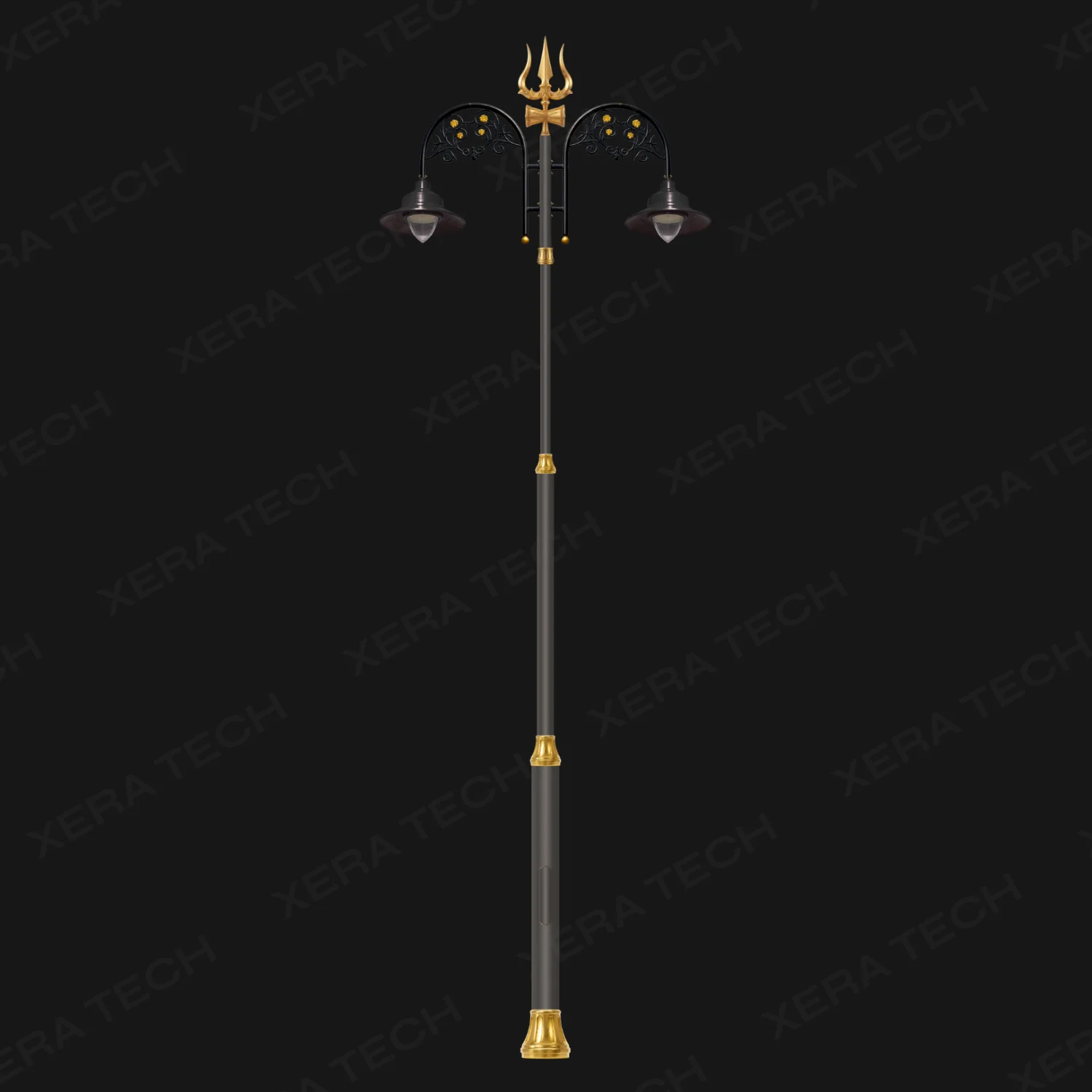
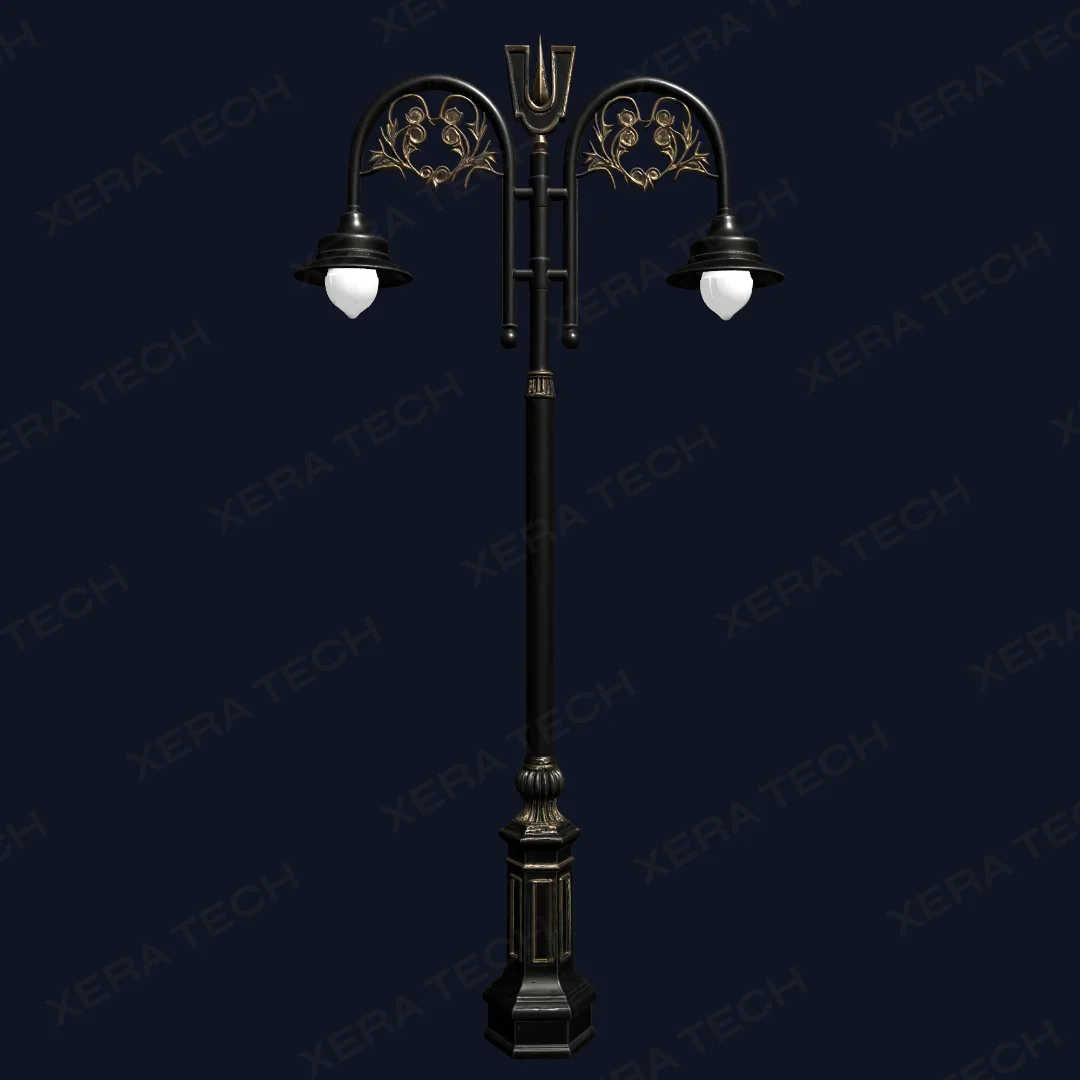
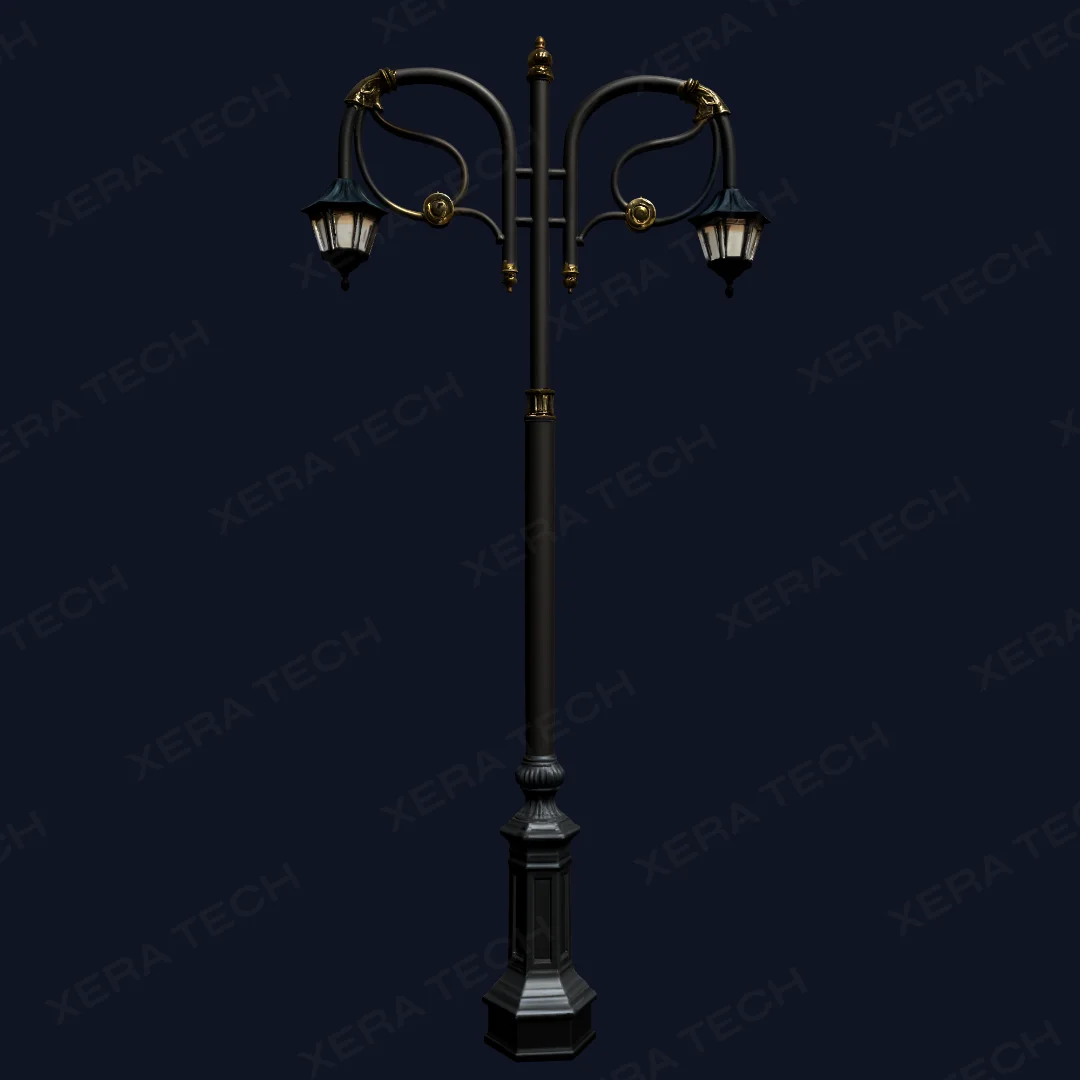
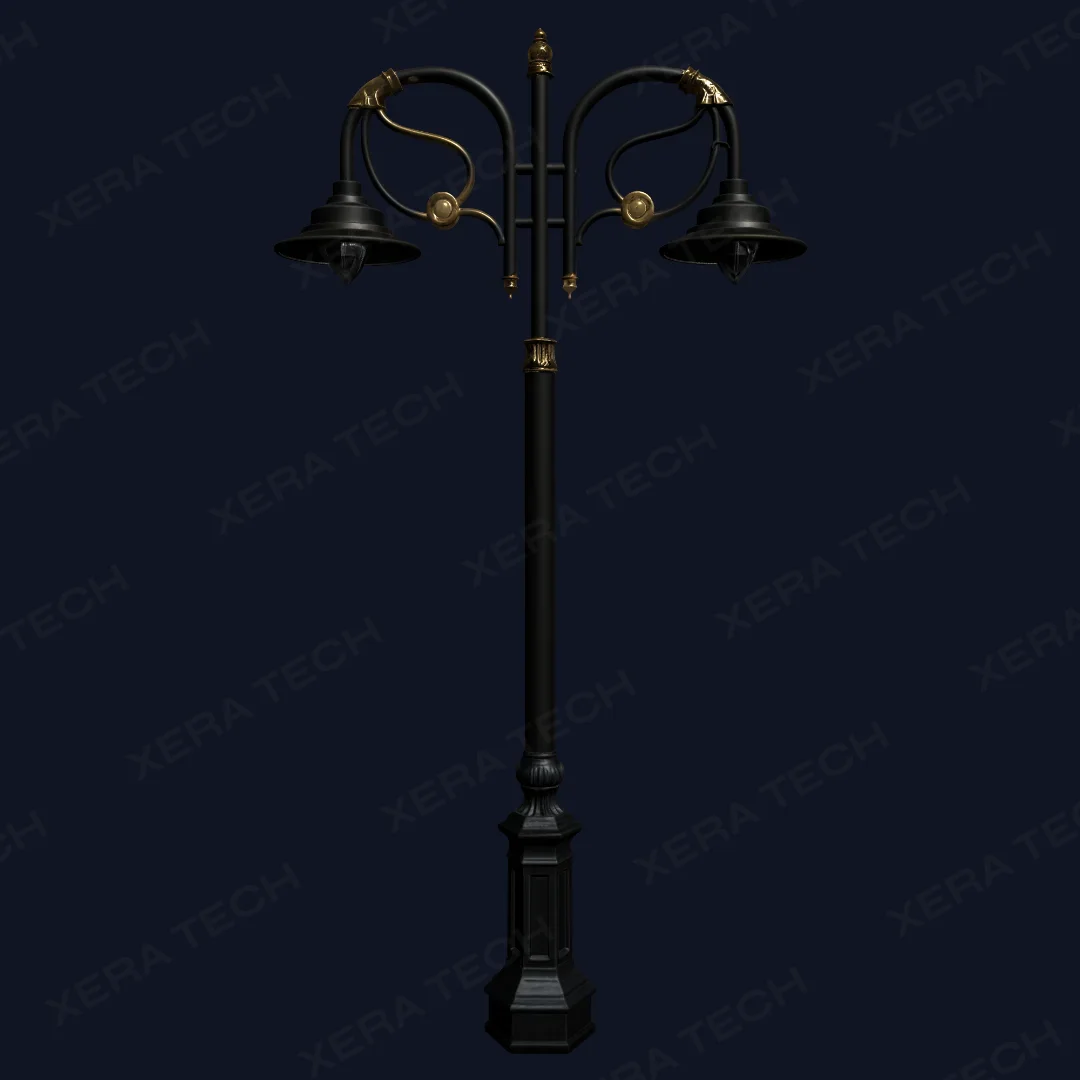
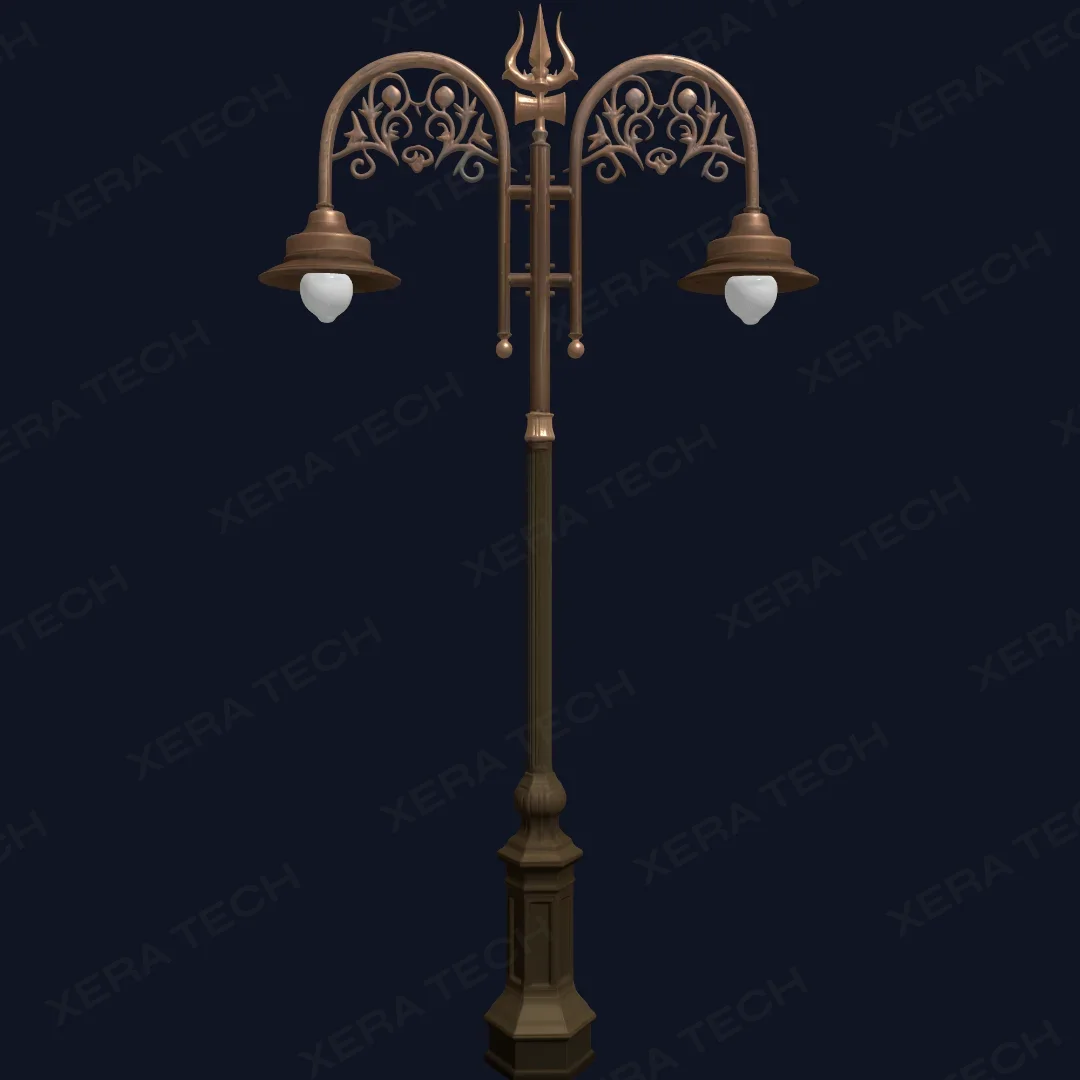
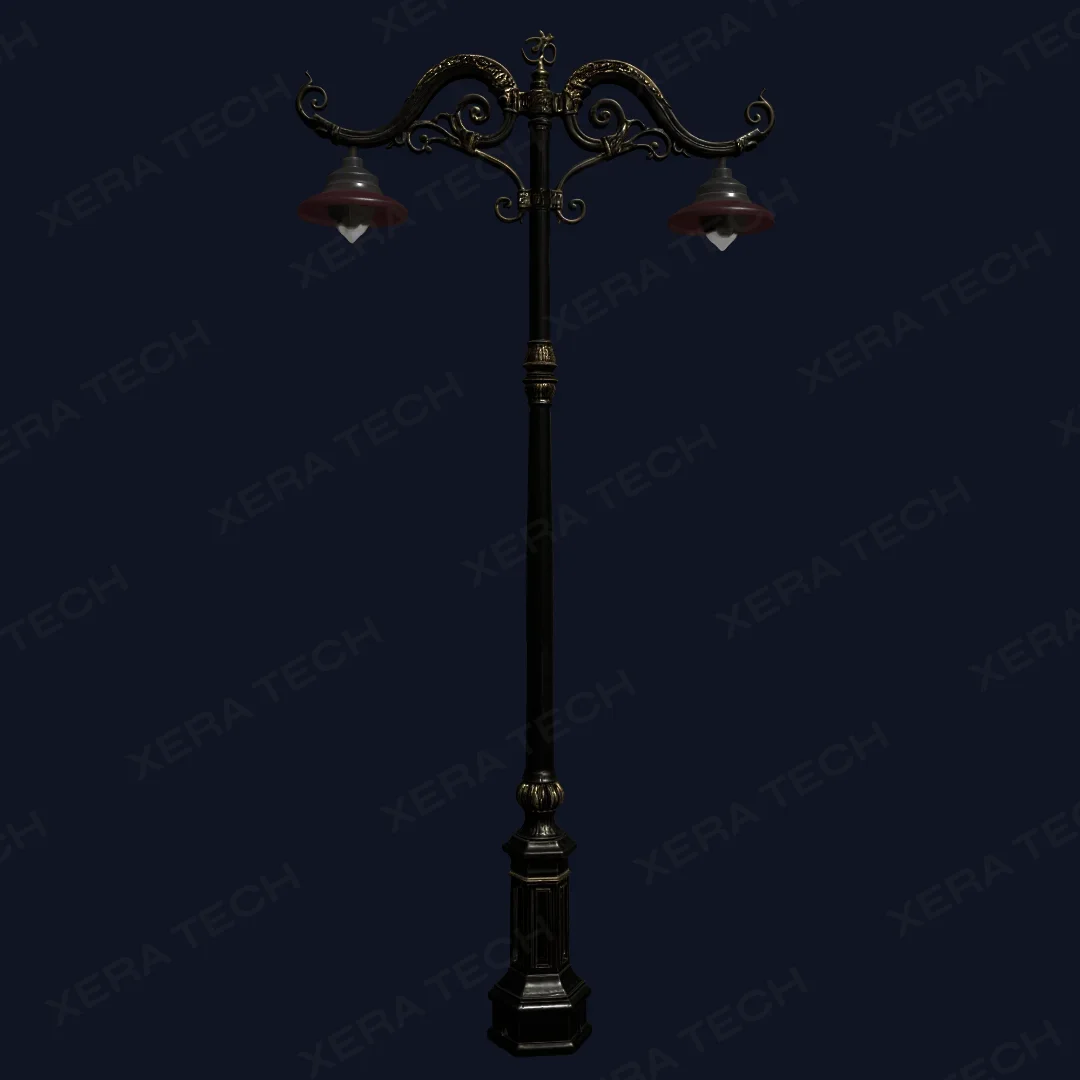
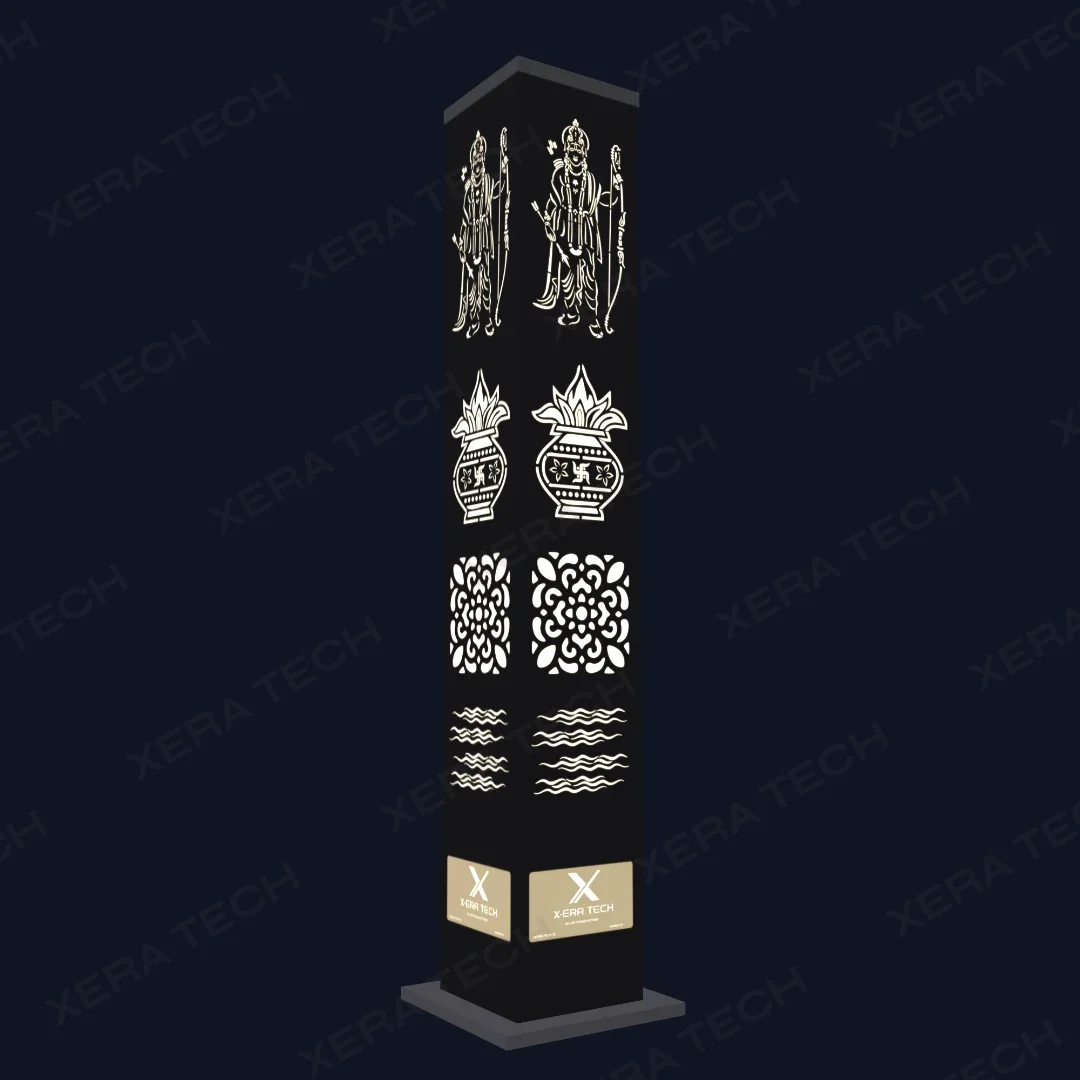
Trishul Decorative Street Light Pole
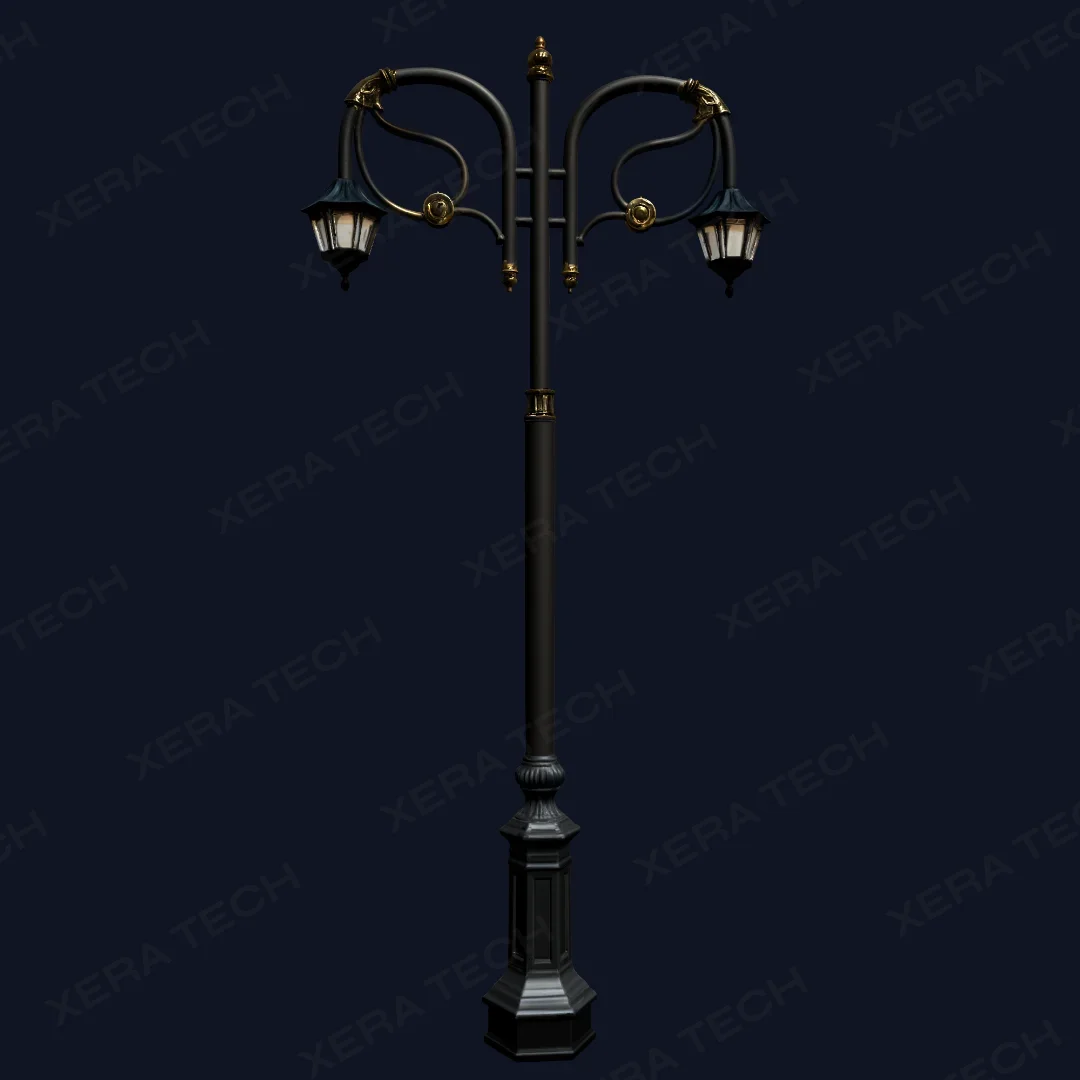
The Trishul series embodies classical Indian architectural heritage fused with modern structural engineering. Its three-arm crown design distributes…
From heritage Mughal lamp posts to solar-integrated smart poles — the definitive knowledge and product platform for decorative street lighting in India. Over 46+ products, 16 cities, and complete engineering resources.
Hand-selected from India's most installed decorative street light collections — heritage to smart city.
The Trishul series embodies classical Indian architectural heritage fused with modern structural engineering. Its three-arm crown design distributes…
Galaxy Series poles redefine modern urban streetscaping with aerodynamic tapered profiles that reduce wind drag by 18% compared…
The Lotus Pole transforms streetscaping into cultural storytelling. Its crown — fabricated from die-cast aluminum in an 8-petal…
The Smart City Pole X1 is India's most integrated public infrastructure solution — a single pole delivering LED…
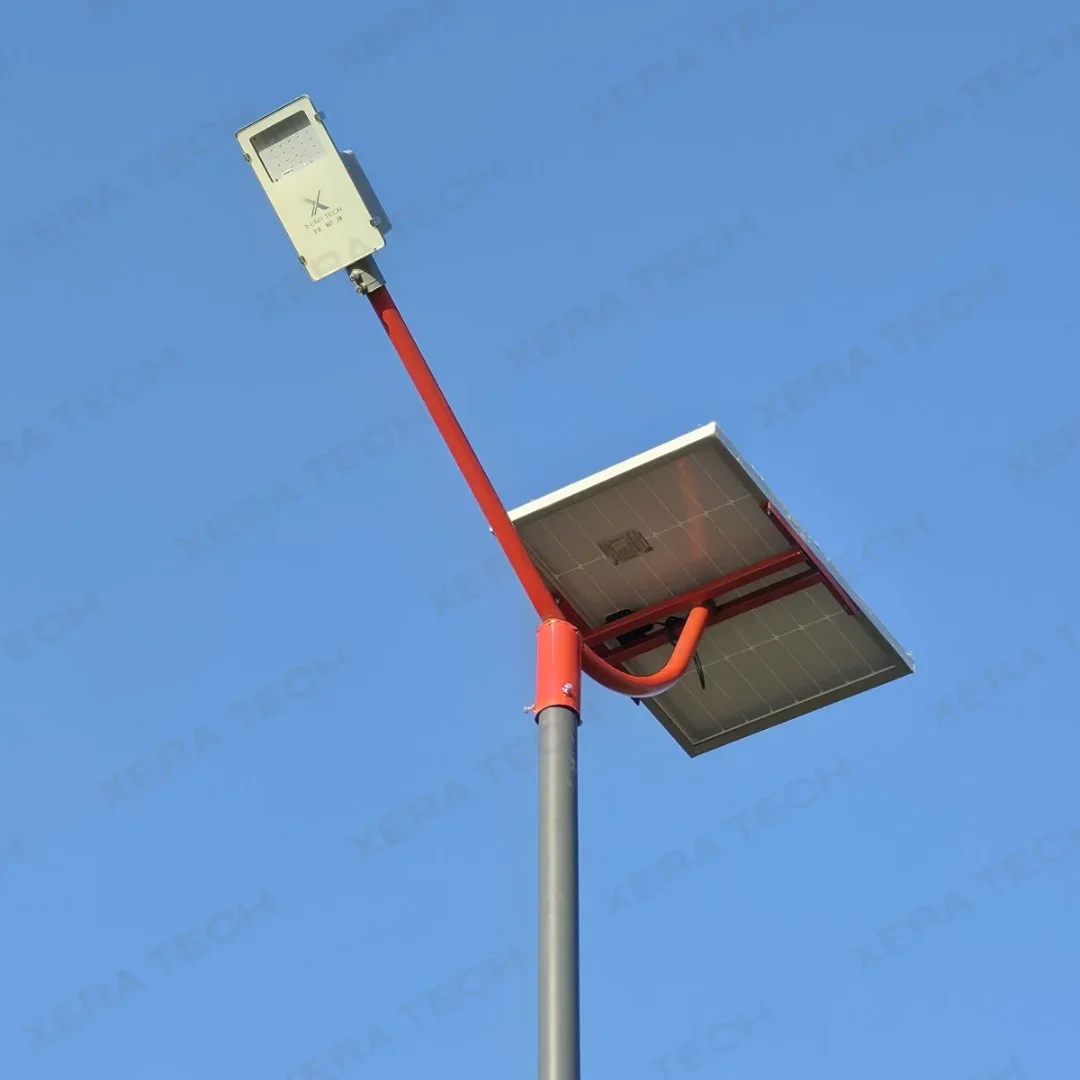
S3 Solar Decorative Poles eliminate grid dependency without sacrificing aesthetic quality. Each pole integrates a MPPT-controlled 40–80W Mono…
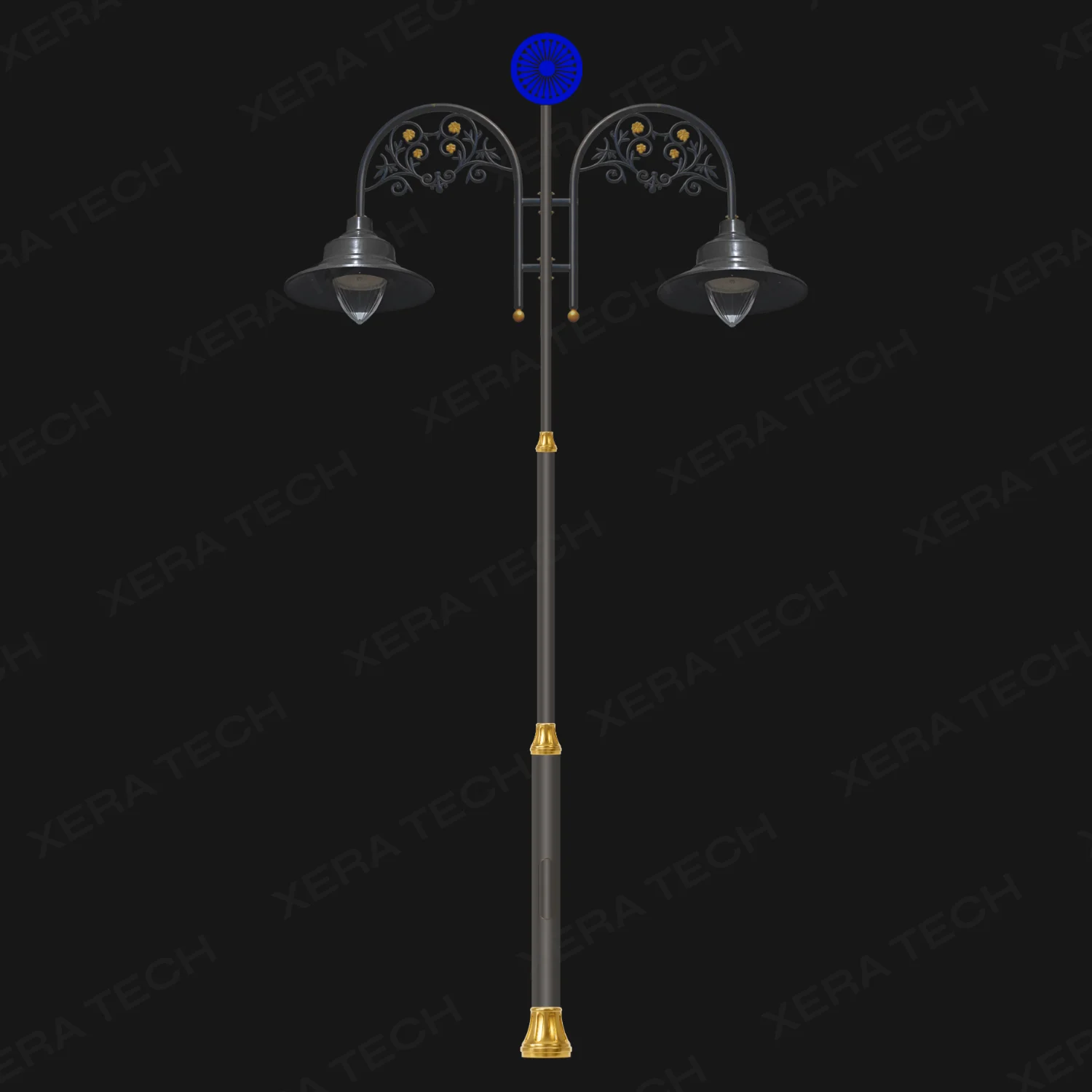
The Ashok Chakra Double Arm Pole carries the national wheel motif as a crown design element — appropriate…
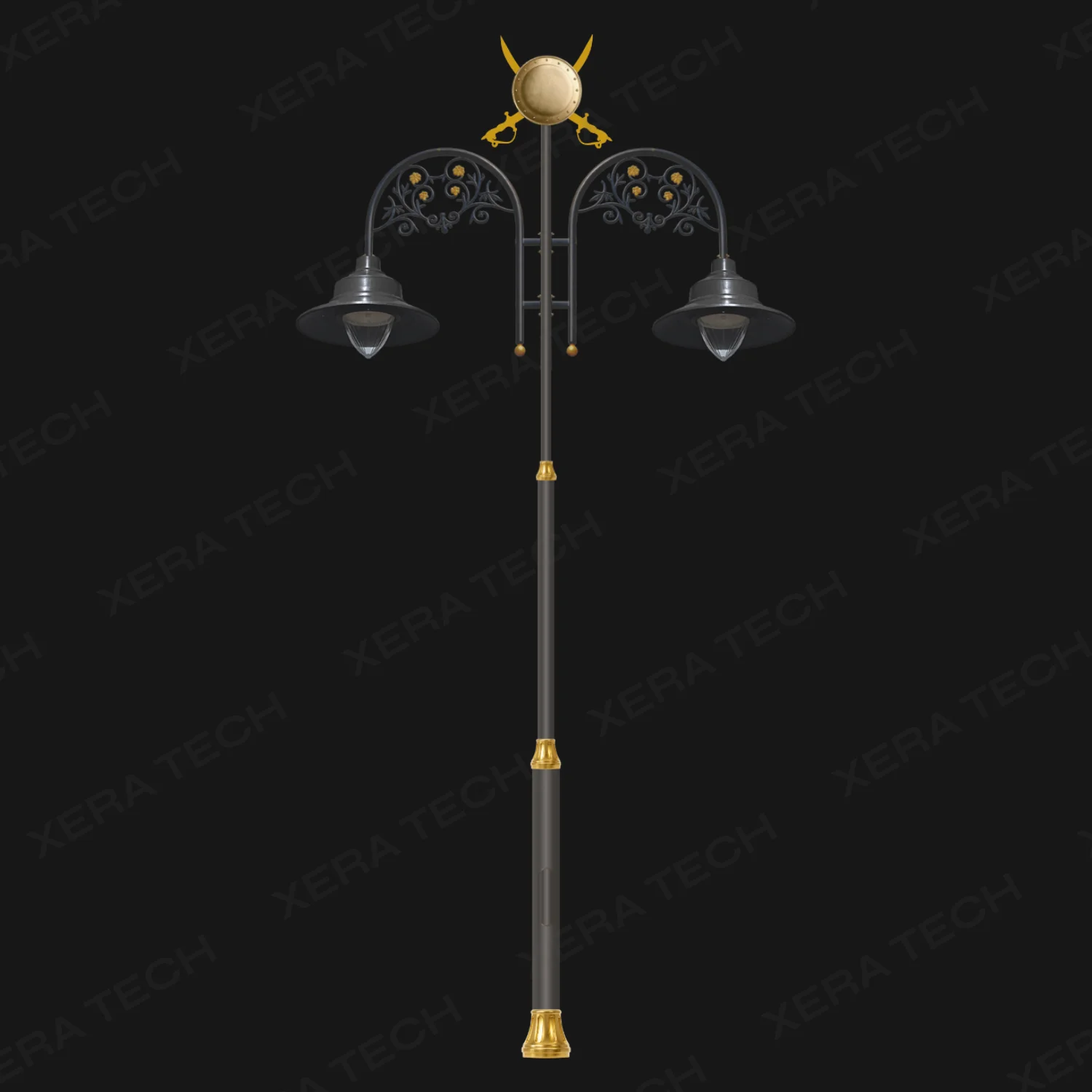
The Dhal Talwar (shield and sword) motif is rooted in Maratha heritage — one of Maharashtra's most recognisable…
The Trishul (trident) is one of India's most widely recognised devotional symbols and the most popular decorative motif…
From riverside promenades to smart city junctions — decorative lighting engineered for each environment.
Explore decorative street lighting projects, designs, and suppliers in major Indian cities.
Nashik is home base for our decorative street light manufacturing at Satpur MIDC, and…
Pune's AMRUT 2.0 and Smart Cities Mission rollout has driven steady municipal and township…
NDMC-managed zones such as Lutyens Delhi, Connaught Place, and the CP-Rajpath corridor specify heritage-compliant…
BBMP's ongoing smart-city lighting upgrades along MG Road, Brigade Road, and Whitefield's IT corridors…
Hyderabad's lighting procurement spans HITEC City's smart-pole infrastructure, Hussain Sagar lakefront installations, and heritage-sensitive…
The Sabarmati Riverfront Development Corporation's 22km promenade lighting program set the procurement benchmark for…
Complete cost, performance, and suitability comparison between solar-powered and grid-electric decorative street lights for Indian conditions.
| Criteria | Solar Decorative Pole (GI + Solar) | Electric Decorative Pole (Grid) |
|---|---|---|
| Purchase Cost (per pole) | Rs.35,000–Rs.95,000 | Rs.15,000–Rs.60,000 |
| Cable Trench Cost | Zero — no trench required | Rs.200–Rs.500 per metre |
| Grid Connection / Transformer | Not required | Rs.15,000–Rs.80,000 (amortised) |
| Monthly Electricity Cost | Rs.0 | Rs.150–Rs.600 per pole |
| 10-Year TCO (30W, Rs.10/kWh) | Rs.58,000 (incl. battery repl.) | Rs.50,700 |
| Grid Dependency | None — fully off-grid | 100% grid dependent |
| Daily Outage Risk | None | 2–6 hrs in many districts |
| Battery Replacement | Year 8–10 (LiFePO4 = Rs.8,000) | Not applicable |
| LED Replacement | Year 8–10 | Year 5–7 |
| Annual Maintenance | Rs.500 (panel cleaning + inspection) | Rs.800 (lamp + junction box) |
| Installation Complexity | Simple — pole + bolt, no trench | Cable trench + DISCOM connection |
| MNRE Subsidy Eligible | Yes (rural and GP projects) | No |
| IP Rating Available | IP65 standard | IP65 standard |
| Aesthetic Appearance | Identical to grid pole from front | Standard decorative profile |
| Best For | Parks, rural roads, off-grid, remote | Dense urban, stable grid, existing trench |
| Monsoon Performance | 3–5 day LiFePO4 backup, no issue | Grid outage = no light |
| Break-Even (Rs.10/kWh) | Year 7–9 | N/A (baseline) |
| Break-Even (Rs.12/kWh) | Year 5–7 | N/A (baseline) |
Material comparison for decorative street light poles — corrosion resistance, weight, cost, wind load performance, and application suitability of GI, MS, and Cast Iron options.
| Criteria | GI (Galvanized Iron) | MS (Mild Steel) | Cast Iron |
|---|---|---|---|
| IS Standard | IS:1239 | IS:2062 Grade A | IS:210 |
| Weight (6m pole) | 42–55 kg | 58–80 kg | 90–140 kg |
| Galvanizing Process | Hot-dip (IS:4759) | Hot-dip (IS:4759) | Inherent — no galvanizing needed |
| Min. Galvanizing Thickness | 85 microns | 85 microns | N/A — inherent corrosion resistance |
| Corrosion Resistance | Excellent | Good (needs treatment) | Excellent (inherent) |
| Wall Thickness (standard) | 3.15mm | 4.0mm | 10–20mm (casting) |
| Structural Strength | High | Very High | Moderate (brittle) |
| Max Height (standard) | 9m (12m with design) | 12m+ (engineered) | 5m typically |
| Wind Zone Rating | Up to Zone IV | Up to Zone VI | Up to Zone II (heavy, not suited high wind) |
| Shaft Profile | Circular tubular | Tapered circular or square | Cast sections, ornate |
| Motif / Crown Fabrication | Welded GI or Al die-cast | Welded MS or Al die-cast | Cast in mould — highest detail |
| Finish Options | All powder-coat RAL, antique | All powder-coat RAL | Antique black, patina, painted |
| Cost Index (6m pole) | Medium (Rs.14,000–Rs.60,000) | Medium-High (Rs.22,000–Rs.1,05,000) | High (Rs.60,000–Rs.2,50,000) |
| Lead Time (standard) | 2–4 weeks | 3–6 weeks | 6–10 weeks |
| Repair / Weld (on-site) | Easy — standard welding | Standard welding | Difficult — requires cast iron welding expertise |
| Heritage Committee Approval | Usually accepted | Usually accepted | Often mandated for HRIDAY zones |
| INTACH Compatibility | Good (with antique finish) | Good | Best — authentic period material |
| Typical Application | Parks, townships, colonies, solar poles | Highways, smart city, 8m+ heights | Heritage zones, museums, colonial streetscapes |
| Recommended For | Most Indian projects | Highway and smart city | HRIDAY-designated heritage areas only |
Style and design comparison across the three main decorative pole families — heritage motif poles, modern contemporary poles, and custom designer poles. Covers application context, cost, lead time, and decision criteria.
| Criteria | Heritage Motif Poles | Modern Tapered Poles | Designer / Custom Poles |
|---|---|---|---|
| Design Language | Cultural, traditional, motif-driven | Clean, geometric, contemporary | Bespoke, artistic, identity-driven |
| Crown Material | Cast aluminium / GI relief | Tapered MS or GI shaft top | Aluminium die-cast, custom fabrication |
| Shaft Material | GI IS:1239 (typical) | MS IS:2062 (typical) | GI IS:1239 + Al die-cast elements |
| Height Range | 3m–9m | 6m–12m+ | 4m–10m |
| Available Motifs | 15+ standard motifs (Trishul, Ashok Chakra, Dhal Talwar, Lotus, Vitthal etc.) | No motif — profile-driven design | Fully custom per brief |
| Custom Motif Option | Yes — any motif engraved on crown | Limited (profile variants) | Yes — this is the core product |
| Lead Time (standard) | 2–4 weeks | 3–5 weeks | 8–16 weeks (tooling + approval) |
| Lead Time (custom motif) | 4–8 weeks | 4–6 weeks | 12–20 weeks |
| Cost Range (6m pole) | Rs.18,000–Rs.72,000 | Rs.22,000–Rs.1,05,000 | Rs.45,000–Rs.2,50,000+ |
| HRIDAY / Heritage Zone Approval | Usually straightforward | Typically not approved | Depends on design submission |
| Smart City / AMRUT Eligibility | Yes (with SCADA conduit) | Yes — preferred for AMRUT | Yes (with SCADA conduit) |
| Wind Zone Performance | Up to Zone III (GI) | Up to Zone VI (MS) | Up to Zone III (GI) |
| Best Applications | Temple roads, ghats, civic plazas, municipality, gram panchayat | Highways, smart city, commercial boulevards, wide arterials | Premium townships, resorts, brand corridors, signature projects |
| Visual Character | Recognisable, culturally resonant | Professional, architectural | Distinctive, unique to project |
| Popularity in India | Most popular (60%+ of installs) | Growing (smart city push) | Niche but growing in premium segment |

Critical battery comparison for solar decorative poles — LiFePO4 (Lithium Iron Phosphate) vs lead-acid. Covers cycle life, weight, climate performance, depth of discharge, safety, and total cost of ownership.
| Criteria | LiFePO4 (Lithium Iron Phosphate) | Lead-Acid (Sealed / VRLA) |
|---|---|---|
| Cycle Life (to 80% capacity) | 2,000–3,000 cycles | 300–500 cycles |
| Expected Service Life | 8–10 years | 2–3 years |
| Depth of Discharge (DoD) | 80–90% usable | 30–50% usable (deep discharge damages) |
| Weight (50Ah battery) | 7–9 kg | 18–24 kg |
| Operating Temperature | -20°C to +60°C | 0°C to +40°C (degrades above 35°C) |
| Indian Summer Performance | Unaffected at 45°C+ | Significant capacity loss above 35°C |
| Monsoon / Humidity | No effect — sealed chemistry | Corrosion risk at terminals |
| Self-Discharge Rate | 2–3% per month | 5–15% per month |
| Charging Efficiency | 98–99% | 85–90% |
| Overcharge Risk | Very low (stable chemistry) | High — gassing and explosion risk |
| Thermal Runaway Risk | Extremely low (safest Li chemistry) | Low (but acid spill risk) |
| Environmental Toxicity | Non-toxic — no heavy metals | Highly toxic — lead + sulphuric acid |
| Disposal / Recycling | Standard Li recycling | Hazardous waste — regulated disposal |
| Cost per Unit (50Ah) | Rs.8,000–Rs.15,000 | Rs.3,000–Rs.5,000 |
| Cost per Cycle (Rs.50Ah unit) | Rs.4–Rs.8 per cycle | Rs.8–Rs.17 per cycle |
| 10-Year Battery Cost | Rs.8,000–Rs.15,000 (one replacement) | Rs.18,000–Rs.35,000 (4–5 replacements) |
| Backup Capacity (50Ah, 20W LED) | 3–4 nights (80% DoD) | 1–2 nights (30% safe DoD) |
| MNRE Eligibility | Yes — ALMM listed products | Only older/legacy scheme products |
| Recommended For | All new solar pole installations | Not recommended — avoid in new projects |
Practical comparison of single arm and double arm decorative pole configurations — road width requirements, illumination pattern, lux levels, cost difference, and installation considerations.
| Criteria | Single Arm | Double Arm |
|---|---|---|
| Arm Count | 1 | 2 (bilateral) |
| Light Coverage Direction | One side of road | Both sides simultaneously |
| Optimal Road Width | Up to 6m | 6m–10m |
| Median Placement | Not recommended | Ideal — bilateral coverage |
| Lux Uniformity | Lower uniformity ratio | Higher uniformity, fewer shadow zones |
| Wattage (typical, 6m pole) | 24W–40W | 40W–80W (2 luminaires) |
| Pole Spacing (6m road) | 25–30m single-side | 30–40m in median or staggered |
| Foundation Load | Lower (lighter pole) | |
| Wind Load | Lower (less windward area) | Higher (more windward area — larger base needed) |
| Cost Difference | Base price | +Rs.3,000–Rs.8,000 vs single arm |
| Installation Complexity | Simple | Slightly more complex (2 luminaires, 2 cable runs) |
| Suitable Applications | Colony roads, pathways, park edges, one-sided site roads | Main roads, commercial streets, highway medians, road dividers |
| Pole Height (typical) | 4m–7.5m | 5m–9m |
| Recommended Luminaire | Single LED 18W–60W | Dual LED 20W–80W (matching pair) |
| Arm Projection | 0.6m–1.2m | 0.6m–1.5m per arm |
| IS:1944 Compliance | Yes for roads up to 6m | Required for roads above 6m |
Download complete product catalogs, CAD drawings, technical datasheets, BOQ templates, and tender specifications. All resources are free to download.
Browse Download Center
A practical procurement guide for gram panchayat sarpanch and secretaries — budget tiers, BOQ basics, GST invoicing, government scheme eligibility, and what to specify in a tender.
Complete foundation design guide for decorative street light poles — soil bearing capacity, anchor bolt sizing, concrete mix, depth calculations, coastal soil adjustments, and IS:456 compliance checklist.
A detailed 10-year total cost of ownership comparison between solar-powered and grid-electric decorative street lights for Indian conditions — electricity, maintenance, installation, and battery replacement.
How AMRUT 2.0 and Smart Cities Mission specifications define integrated lighting poles — what features are mandated, how procurement works, and which pole types qualify.
Technical answers to the most common questions about decorative street light poles, specifications, and procurement in India.
Browse All Guides →